

In many modern food production facilities, checkweighers are crucial for quality control. Inline checkweighers verify that every product on the line is within its specified weight range. Beyond just weighing, these advanced in-line systems can also sort and reject items that fall outside defined limits, which helps maintain consistent product quality and ensures compliance with regulations.
In industries such as food production, pharmaceuticals, logistics etc., accuracy is critical: incorrect weights can lead to regulatory violations, costly product recalls, damaged brand reputation, and significant financial losses. As consumer expectations and market demands continue to evolve, manufacturers face rising ingredient costs, diverse product lines, and stringent regulatory requirements.
To address these issues, checkweighers help mitigate these challenges by checking correct weights, reducing product waste, and supporting efficient quality control. Advanced systems now integrate automated verification and data capture, uncovering hidden efficiencies and improves your return on investment. Once reliant on manual scales, checkweighers have evolved into automated solutions that streamline production and strengthen food safety.
When combined with metal detectors or X-ray inspection systems, they form a comprehensive quality control network, ensuring accurate, safe, and compliant production at every stage.
Why Accuracy Matters in Checkweighers
Checkweigher accuracy is critical for maintaining an efficient and safe production process, ensuring that packaged food products consistently fall within their specified weight tolerances. These tolerances define the acceptable range of deviation from the specified weight, and maintaining accuracy helps prevent compliance issues, product waste, and financial losses.
Several factors can influence a checkweigher’s accuracy and should be carefully managed to preserve reliable performance. Environmental conditions such as temperature fluctuations, changes in humidity, and vibrations can interfere with the checkweigher’s electrical signals and affect the resistance of wiring, leading to incorrect readings. Regular calibration is recommended to maintain precision, as neglecting this can result in measurement errors. Irregularly shaped or unstable products can affect the accuracy and consistency of results. Furthermore, human error from insufficient training or improper handling, along with a lack of regular maintenance, can compromise precision. Routine inspections and upkeep can extend the equipment’s lifespan and ensure it performs at its best.
Signs Your Checkweigher May Be Inaccurate
Like all machinery, in-line checkweighers can experience common faults that may affect their performance. If your checkweigher is acting abnormally, see if you recognise any of the following typical issues to find a practical solution to keep it operating reliably.
- Frequent Product Rejections Despite Product Being Within Weight Range: Automatic checkweighers may sometimes reject products even when they are within the specified weight range. This sudden anomaly can be due to environmental factors, improper or recently changed product calibration, or even mechanical problems. Ensuring regular calibration and maintenance, verifying the photo-eye’s path is not obstructed, along with placing the checkweigher in a stable environment with minimal vibration and temperature fluctuations, can help reduce unnecessary product rejections.
- Inconsistent Weight Results: Weight inconsistencies can arise from misaligned conveyor belts, product jams, or mechanical wear and tear. Misalignment can skew measurements, while high-speed operations may lead to blockages that interrupt accurate weighing. Mechanical components such as load cells, belts, and motors may deteriorate over time, impacting performance. Routine inspections, preventive maintenance, proper conveyor alignment, and timely replacement of worn parts are essential for maintaining consistent weight results.
The Importance of Regular Checkweigher Validation Checks and Maintenance
Regular validation and maintenance of checkweighers is essential for ensuring product quality, regulatory compliance, and safeguarding both a company’s finances and its reputation. As key components of production lines, checkweighers verify that every product meets its specified weight, and even small inaccuracies can lead to significant consequences.
- Ensuring Product Quality and Consistency: Checkweighers prevent underfilled or overfilled products from reaching customers. Underweight items risk consumer complaints and erode brand trust, while overweight items result in wasted product and direct financial losses. Consistent maintenance keeps the system accurate, reliably identifying and rejecting products outside acceptable weight limits.
- Maintaining Regulatory Compliance: Many industries, certainly food and pharmaceuticals, operate under strict weight regulations, such as minimum fill or average weight standards. Failure to comply to these can trigger fines, recalls, and legal issues. Regular checkweigher validation ensures that every product adheres to these standards.
- Reducing Waste and Enhancing Efficiency: Inaccurate weighing leads to wasted materials, time, and production resources. Properly maintained checkweighers optimise fill levels, minimise product giveaway, and improve overall production efficiency.
- Protecting Brand Reputation: Accurate, reliable weighing ensures customers receive the product they expect, building trust and loyalty; mitigating negative reviews that damage the brand.
- Preventing Downtime: Routine maintenance helps you find potential issues, like worn sensors or misaligned conveyors, before they cause time-consuming breakdowns. This keeps your production lines running smoothly and cost-effectively.
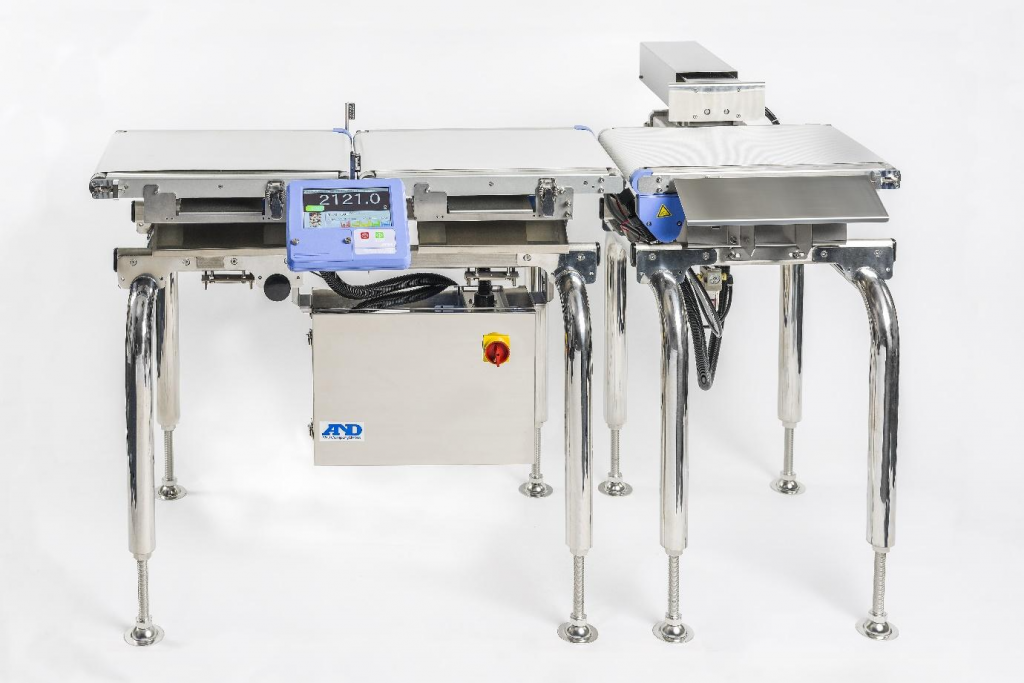
What Affects Checkweigher Accuracy?
Several factors can influence the accuracy of checkweighers, and understanding them is essential for maintaining reliable performance.
- Environmental Factors: Temperature fluctuations, humidity changes, strong commercial fans, and vibrations can interfere with sensors and electrical signals, affecting accuracy.
- Equipment Calibration: Regular calibration is essential to prevent measurement drift and ensure consistent results.
- Product Characteristics: Irregular inconsistent shapes, unstable surfaces, or varying densities can complicate precise measurement.
- Operational Errors: Insufficient training or incorrect handling may result in misconfigured settings or manual mistakes.
- Lack of Maintenance: Worn components, misaligned conveyors, or faulty sensors can compromise accuracy if not routinely inspected and serviced.
Conclusion
Checkweighers play a vital role in ensuring product quality, regulatory compliance, and operational efficiency. By accurately measuring every item, they prevent underfills, overfills, and costly product waste. Regular monitoring, validation, and maintenance not only preserve their accuracy but also minimise downtime, reduce financial loss, and protect brand reputation. Adopting a proactive approach to checkweigher upkeep empowers manufacturers to detect issues early, maintain consistent performance, and optimise production efficiency, making reliable weighing an integral part of a safe and profitable operation. You can explore our range of checkweighers here, or check out our many other products and resources here. For all inquiries, don’t hesitate to contact us directly.